
English key-point edition · Content updated 2026-10-12
This guide summarizes the main points of our Chinese article. Confirm your personal test preparation and treatment instructions with the clinical team.
What is endometriosis?
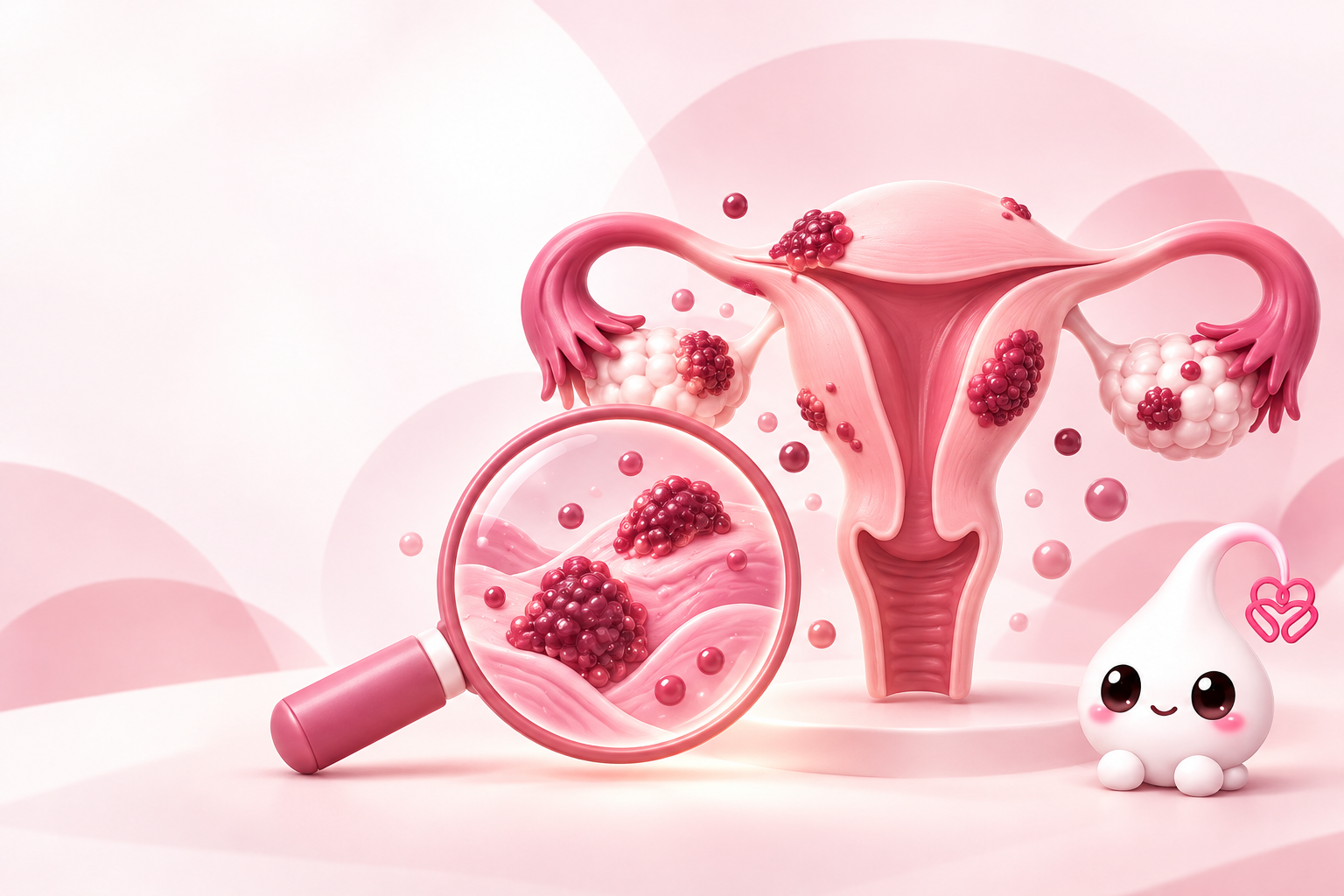
Tissue similar to the uterine lining grows outside the uterus and may cause inflammation, pain and adhesions. An endometriosis-related ovarian cyst is called an endometrioma, sometimes described as a chocolate cyst.
Keep a symptom record
Note whether pain occurs before or during your period or at other times. Record pain with sex, bowel movements or urination and any cycle-related pattern. Explain effects on work, sleep and daily life, how long you have been trying to conceive and any previous cyst surgery. Seek prompt medical care for sudden severe abdominal pain, fever or fainting.
How is it assessed?
Assessment starts with your history, an examination when appropriate and ultrasound. Specialist imaging or MRI may be considered for suspected deep disease or treatment planning. A normal ultrasound does not exclude all endometriosis. Laparoscopy is considered according to symptoms, earlier treatment response and individual needs.
Agree on the treatment goal
Pain management may involve pain relief, hormonal treatment or selected surgery. If you want to conceive, age, ovarian reserve, fallopian tubes and your partner's semen findings also matter. Some hormonal treatments are not compatible with trying to conceive during use, so make your plans clear first.
Is surgery always needed before IVF?
No. Benefits for symptoms or a specific lesion must be balanced against effects on ovarian tissue, previous surgery and access for egg collection. Ask what surgery is intended to achieve, what non-surgical options exist and whether fertility preservation should be discussed.
Sources
This guide provides general information. Your symptoms, test results and treatment plan require individual clinical assessment.
Back to all guides